Tjitsma-state Koningsterp Wijnaldum
Wijnaldum
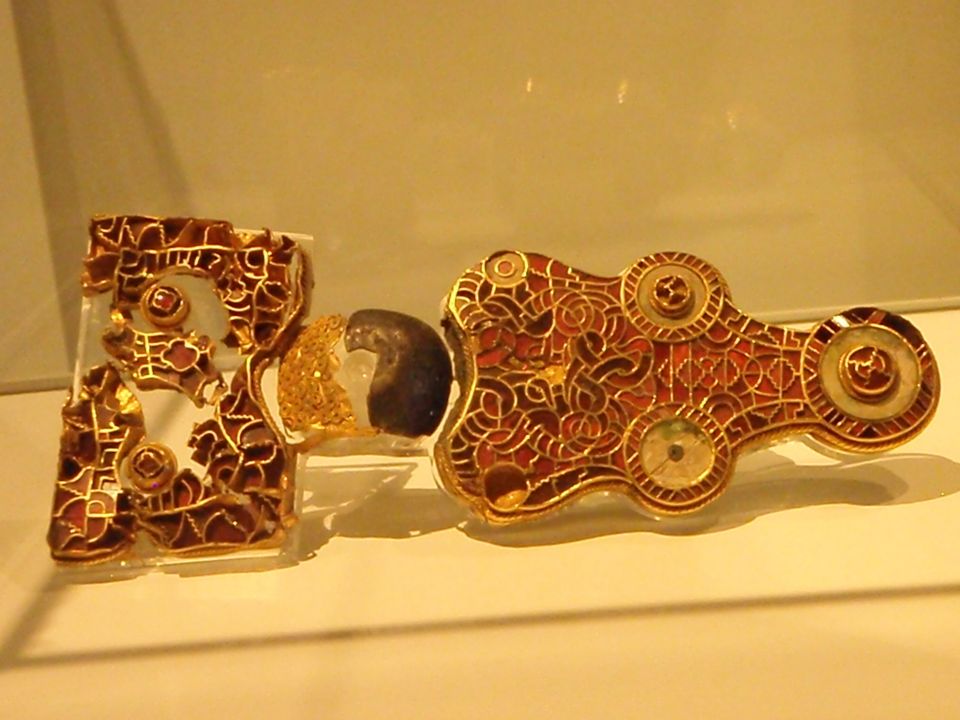
A unique 7th-century gold brooch, known as the Fibula of Wijnaldum, was discovered at the Tjitsma terp. It is one of Friesland's most important archaeological finds. Excavations have shown that Wijnaldum was a major centre of trade and power during the Ea
Take a look
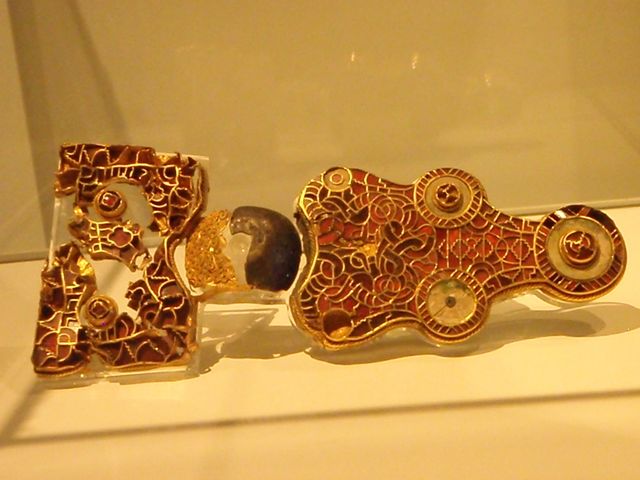
A unique 7th-century gold brooch, known as the Fibula of Wijnaldum, was discovered at the Tjitsma terp. It is one of Friesland's most important archaeological finds. Excavations have shown that Wijnaldum was a major centre of trade and power during the Early Middle Ages.
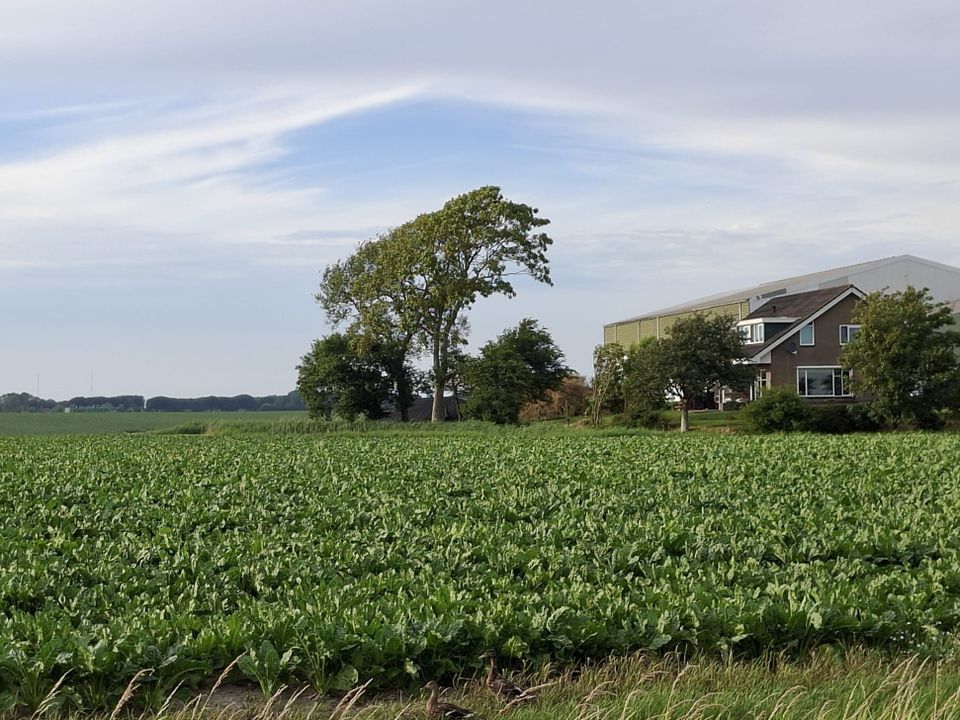
The terps (dwelling mounds) were constructed around the beginning of the Common Era on a natural salt-marsh ridge. This ridge began to form around 150 BC and reached a height of about 85 centimetres before the construction of the terps around AD 175. In places, it was intersected by tidal channels. From the 11th century onwards, sea dikes provided protection against flooding, making life on terps no longer necessary.
In 1953, a farmer discovered part of a valuable gold brooch at the Tjitsma terp. Dating from the early 7th century, the Fibula of Wijnaldum is now on display at the Fries Museum. The chain of terps at Wijnaldum was designated a national monument in 1975. Extensive archaeological excavations, including research carried out between 1991 and 1993, revealed evidence that the site may have been the residence of Frisian rulers. For this reason, the Tjitsma terp is also known as the King's Terp.
Here you will find Tjitsma-state Koningsterp Wijnaldum
Koningsterp ten oosten van het dorp WynaamFoarryp 1
8857RE Wijnaldum Plan your route to Tjitsma-state Koningsterp Wijnaldum